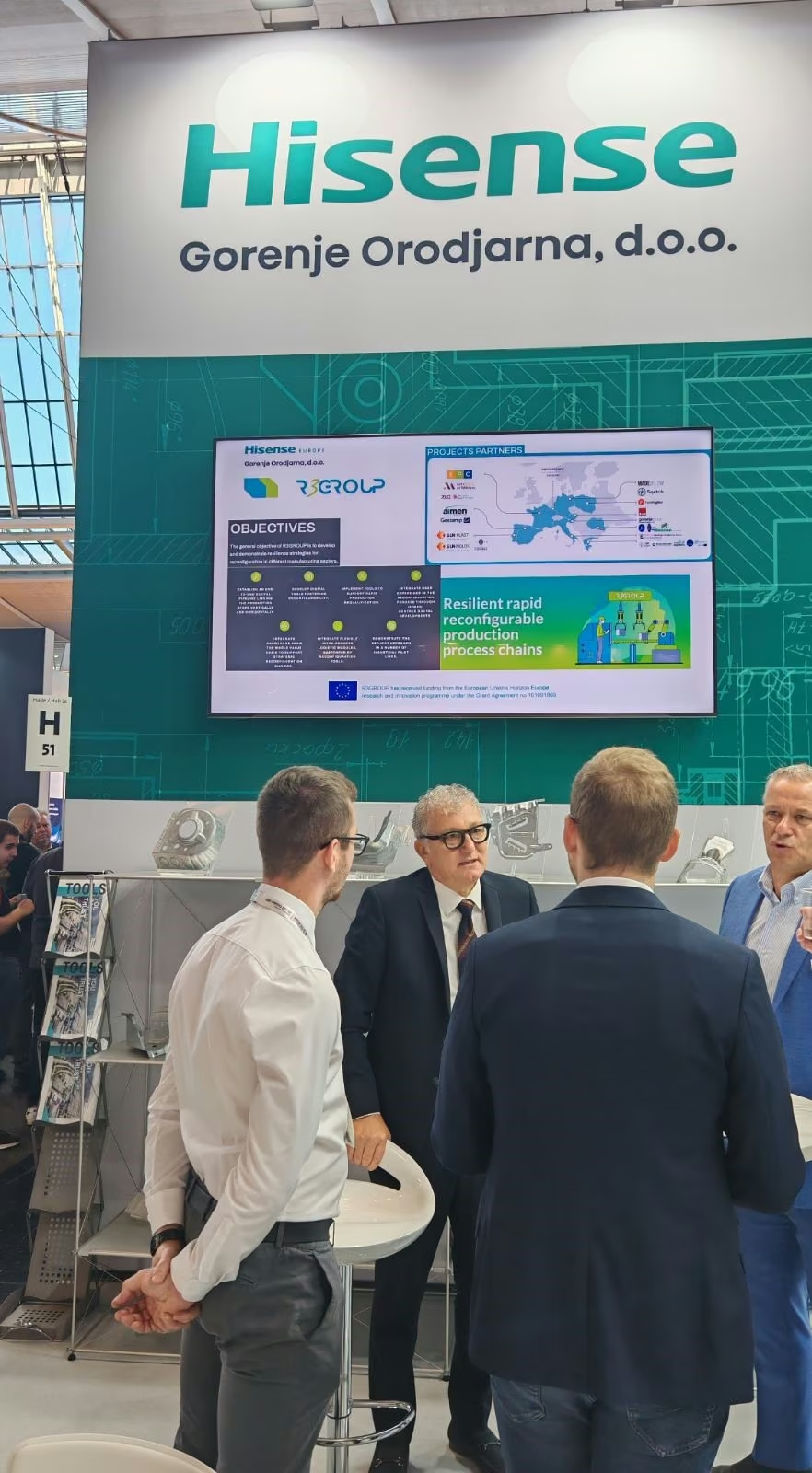
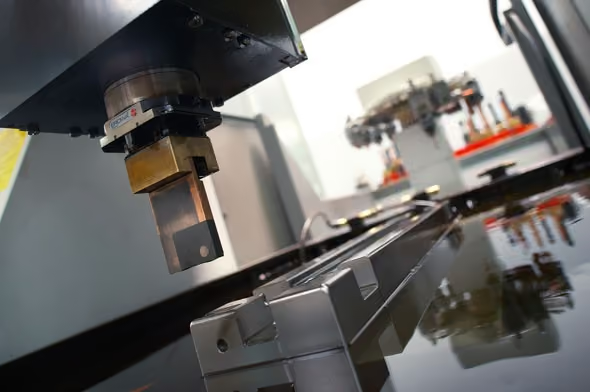
Our production is highly project-oriented: every tool is uniquely designed and manufactured to the customer's requirements. Within the R3GROUP pilot line, our primary objective is to increase the digitalisation and reconfigurability of production processes, minimising disruptions and improving overall process efficiency.
We face challenges across the entire lifecycle of industrial projects, from feasibility studies and numerical simulations to design optimisation and production cost estimation. One of the R3GROUP solutions accelerates manufacturability and formability assessments, enabling faster and better-informed decisions in the early development stages.
Another challenge is visibility in production planning across departments. Greater cross-departmental transparency enables macro-level planning of the entire toolmaking process, improving resource allocation, coordination and delivery performance.
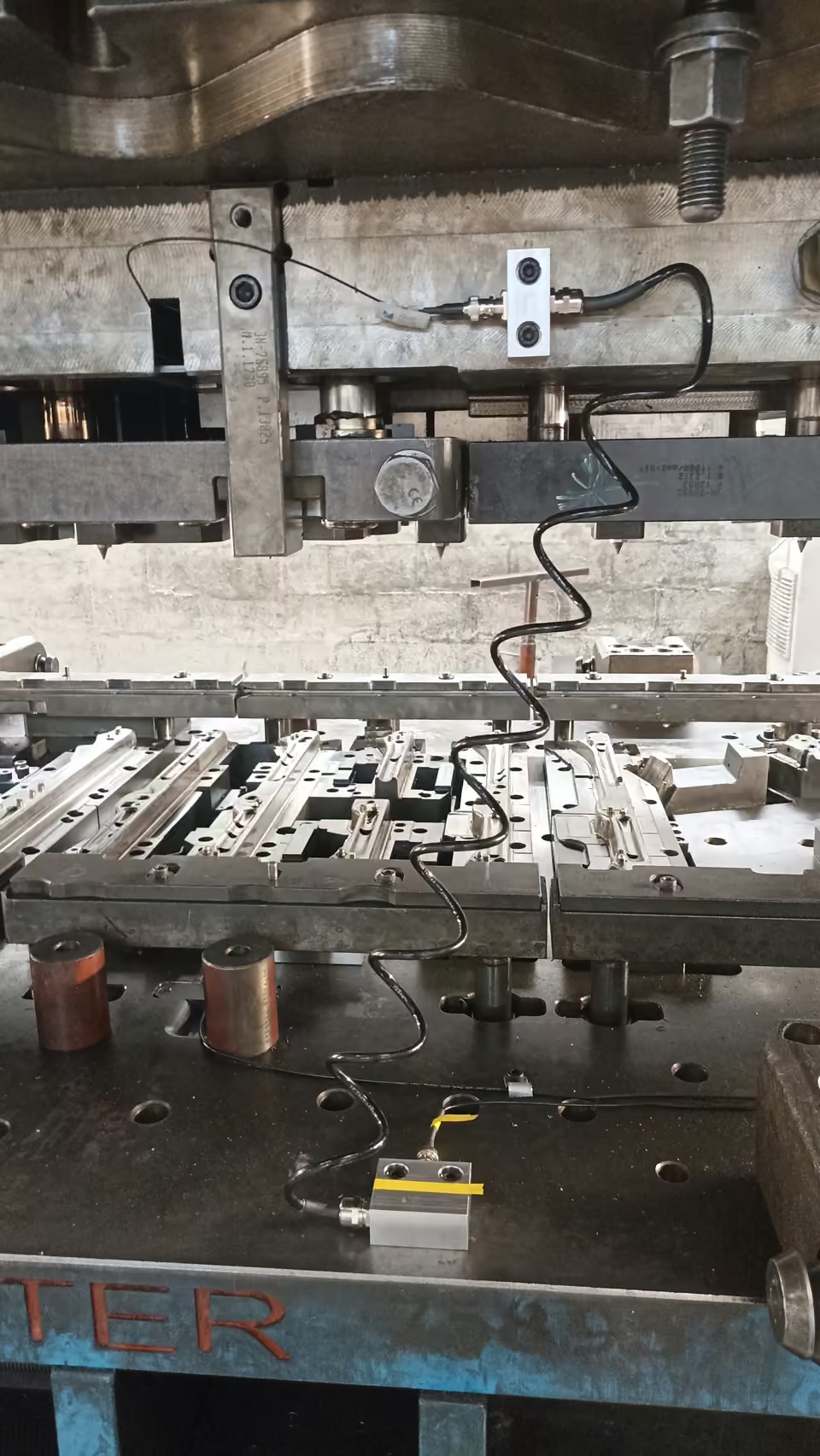
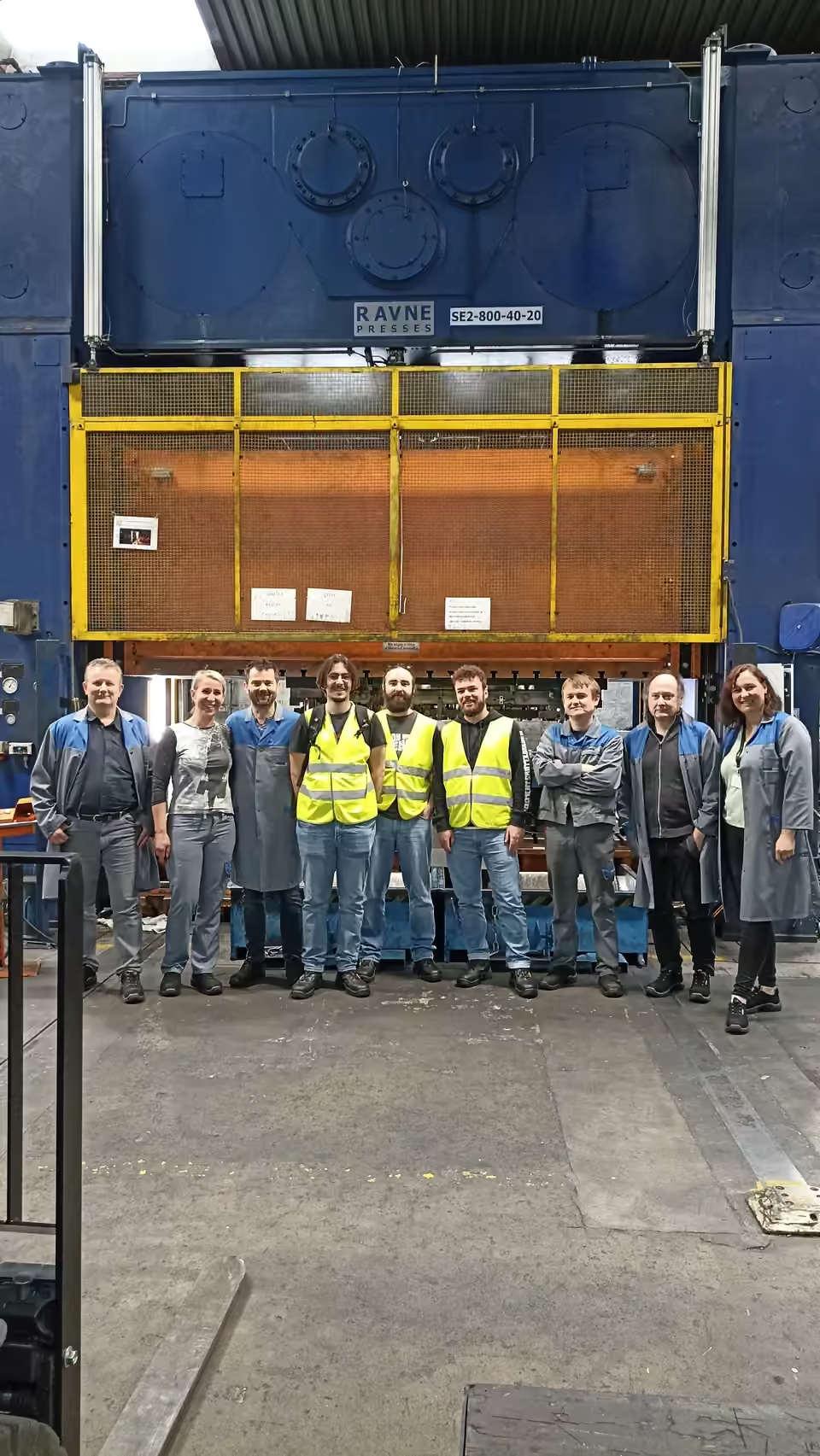
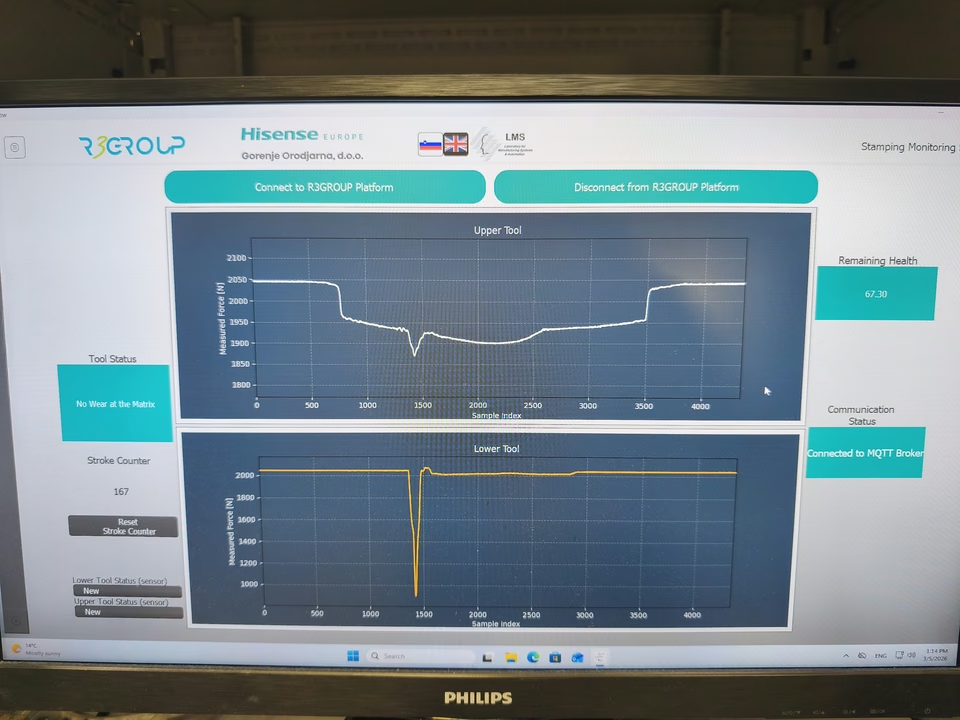
Tool maintenance during serial production is a critical source of potential disruption. Unexpected wear or breakdowns require unplanned interventions and reserved capacity in the Design and Machining departments. Within R3GROUP, we integrated sensors into a stamping tool to monitor its condition and wear in real time — allowing early detection of maintenance needs, less unplanned downtime, better capacity utilisation and more reliable production.
The Gorenje pilot line also contributed to a Supply Chain Digital Twin, which enables proactive assessment of supply-chain risks and their potential impact on productivity, operational continuity and business performance.
The R3GROUP platform is a key enabler of continuous improvement, helping us to:
- optimise new tool development and maintenance processes;
- improve operational efficiency through data-driven daily improvements;
- strengthen decision-making with better visibility and predictive insights;
- foster a digital mindset among management and operational teams.
By supporting higher digitalisation and production-line reconfigurability, R3GROUP helps minimise disruptions across critical process flows and contributes to a more resilient, efficient and competitive manufacturing environment.